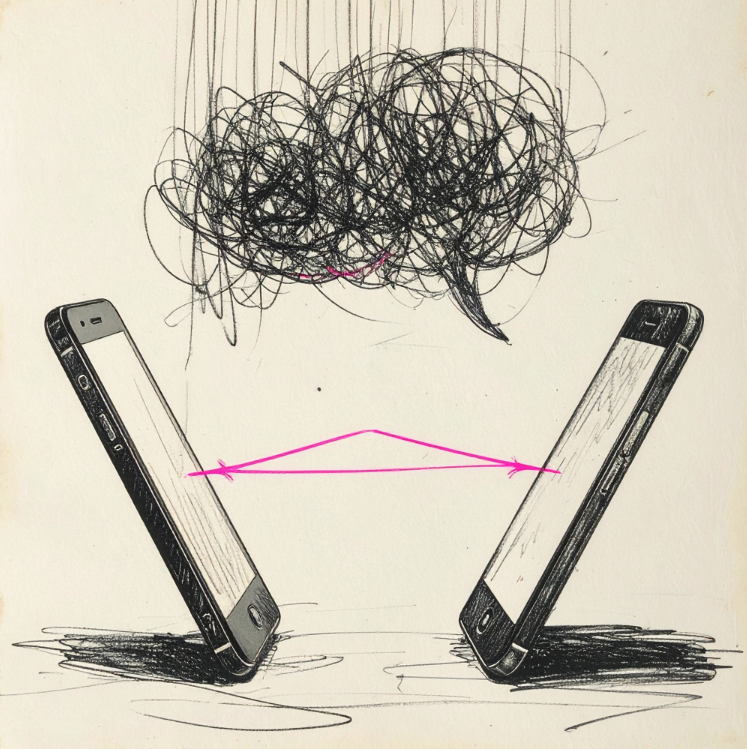
After a fight with your partner, Reddit offers you a choice of two churches.
The first church preaches: never apologize just to end the fight. An apology you don't mean is a lie, it teaches your partner that pressure works, and you'll be back here in two weeks having the same fight because nothing under it got solved. This church is full of people who spent years in relationships where "sorry" was a hostage payment, said to stop the yelling, and they are done saying it.
The second church preaches: swallow your pride and say sorry. Being right is worth less than being close, the fight is usually about nothing, someone has to go first, and the marriage graveyard is full of people who won arguments. This church is full of people who watched a three day cold war grow out of a dispute about the dishwasher, and they are done freezing.
Sit with each congregation for a while and you notice both are answering a real failure. The first church is right that the reflexive apology, the one that means "please stop being upset with me," is corrosive. It ends the fight and embalms the problem. Say it enough times and your apologies stop carrying information, and the day you need one to mean something, the currency is dead. The second church is right that waiting to apologize until you've been proven fully wrong means waiting forever, because nobody is ever fully wrong in their own accounting, and that pride, given a bedroom to sleep in, unpacks and stays.
Here's what neither church says, and it's the thing that dissolves the whole debate: after most fights, you don't have to choose between a false apology and no apology, because there is almost always something real to apologize for that isn't the argument itself. You can still think you were right about the dishwasher, or the money, or whose family gets Christmas, and be sorry, meaning it completely, for the eye roll. The tone. The interruption. The "you always." The door. Fights have a content and a conduct, and the conduct is usually where you left a mark, and the conduct apology is nearly always available to you without perjuring yourself on the content.
Which means the text you send afterward can be true and warm at the same time:
I'm not sure we've solved the actual thing yet, and I still see it differently than you. But I'm sorry for how I talked to you in the middle of it. The sarcasm wasn't fair and you didn't deserve it. I love you. Can we take another run at the real conversation this weekend, calmer?
Look at what that does. It refuses the false peace the first church fears, because it says plainly the disagreement is still alive. And it refuses the frozen standoff the second church fears, because it crosses the room first, with something meant. It separates the fight from the marriage and apologizes to the marriage.
One thing the format matters for: a text like this works as an opener, not a closer. It's the hand extended so the real conversation can happen in the same room, later, calm. If a fight keeps needing to be settled entirely by text, that's a different problem than wording.
Apologize for the conduct, mean it, and keep your position if you still hold it. Both churches can be wrong at once. Usually they are.