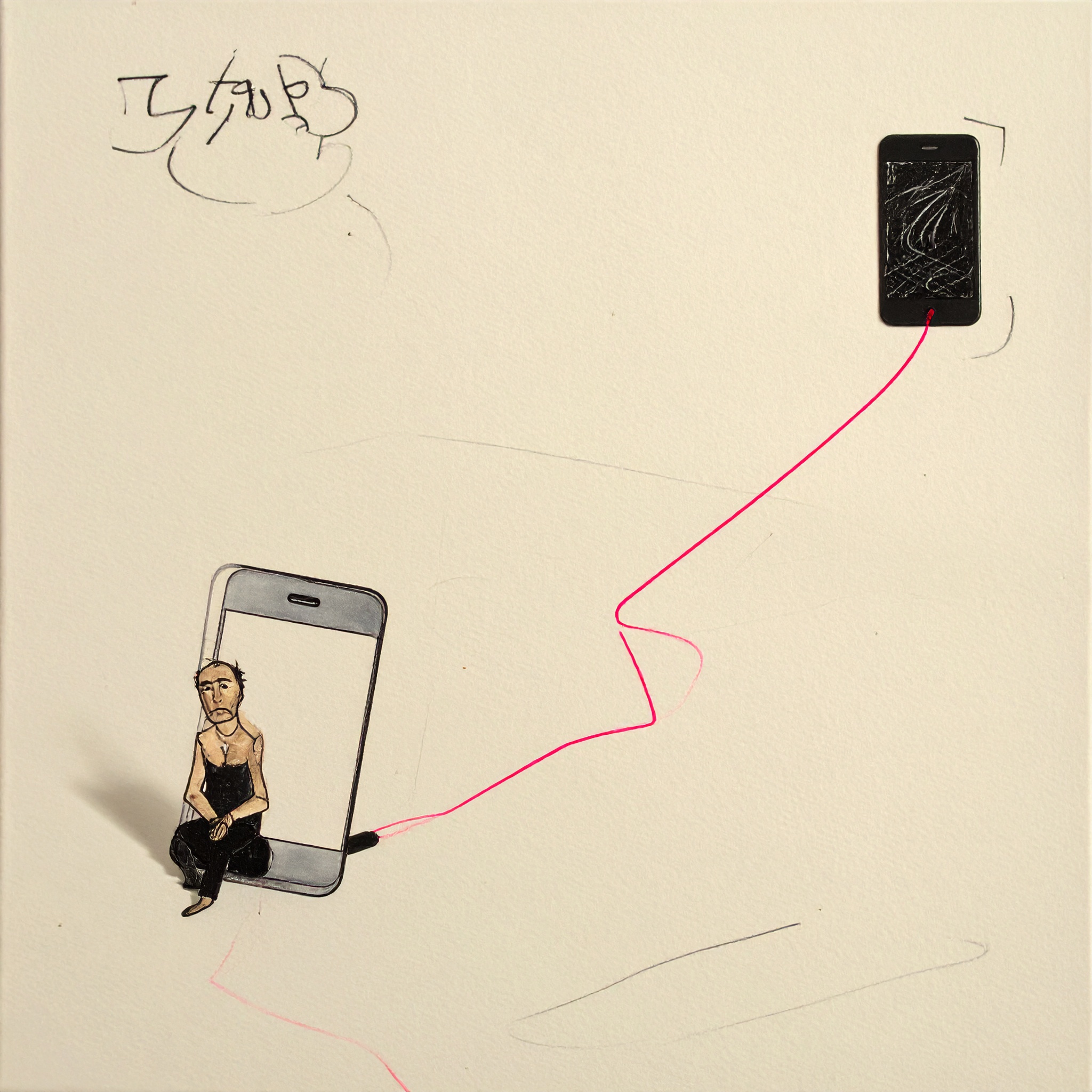
Your friend's mother died on Tuesday. It's Thursday now, and you still haven't texted.
It isn't that you don't care. You care so much it's locked you up. You've started the message a dozen times. "I'm so sorry" feels small. "I can't imagine what you're going through" feels like a line off a card. Everything you type sounds either hollow or wrong, and so, terrified of saying the wrong thing, you've said nothing. Two days of nothing. And the longer the silence runs, the louder it gets, until saying nothing starts to feel like its own message, the one thing you never meant to send.
Here's what nobody tells you about these moments. There is no perfect thing to say. You've been hunting for words that will make it hurt less, and those words don't exist. Once you stop looking for them, you can finally say something real.
Why we freeze
We freeze because we think a message has a job: to fix it, or at least ease it. Faced with a grief we can't fix, we decide we have nothing useful to offer, so we wait. For the right words. For a better moment. For the courage that never quite arrives.
But the person on the other end isn't grading your words. They're drowning, and they're noticing who showed up. Silence, however kind the reason behind it, reads from the inside as absence. The friend who sends an awkward, heartfelt text on Thursday is worth a hundred who waited until they found something perfect to say.
You don't have to fix it. You were never able to fix it. That was never the job.
Presence beats the perfect words
The most useful message you can send isn't eloquent. It's present. It says, in whatever plain words you have: I know, I'm here, I love you. That's the whole assignment.
The text you keep not sending, because it isn't good enough:
[nothing]
And the text that does more than any polished paragraph:
I don't have the right words and I'm not going to pretend I do. I just want you to know I'm thinking about you, and I'm here, whatever you need, whenever you need it.
Saying that you don't have the words isn't a failure. It's the most honest line in the message, and it lands as love, because it is love. You showed up without a script. That's the part they'll remember.
Don't reach for the silver lining
When we're uncomfortable, we grab for the bright side. "She's in a better place." "Everything happens for a reason." "At least she's not in pain anymore." These feel like comfort, but they do something quieter and worse. They ask the grieving person to feel better so that we can feel less awkward. They tidy a pain that isn't ours to tidy.
Don't reach for the bow. Sit in the awful with them instead.
This is so unfair, and I'm not going to try to make it smaller than it is. I'm just so sorry. I'm here.
It offers no fix, and that's why it works. It tells the truth, that this is terrible, which is the one thing the silver linings refuse to do, and the one thing your friend most needs to hear someone say out loud.
Don't make them take care of you
Two small traps at the end. The first is making your friend manage your feelings: "I'm absolutely devastated, I've been crying all day." Your grief is real, but a message that centers it quietly asks the bereaved person to comfort you, which is backwards right now.
The second is the line that sounds kind but hands them a chore: "Let me know if you need anything." It feels generous. It isn't, because it puts the work on the person with no energy to spare. They will never let you know. Offer something specific instead, something they can receive by doing nothing.
I'm leaving a meal on your porch Friday evening. No need to reply, no need to be home, no need to host me. It'll just be there.
Specific. Easy to receive. Nothing required of them. That's what help actually looks like.
The thing you're afraid of isn't the thing that matters
You were afraid of saying the wrong thing. But the people who get these moments wrong are almost never the ones who spoke clumsily. They're the ones who, frozen by the fear of clumsiness, said nothing at all.
So send the imperfect text. Today. The one that admits you don't have the words. It will mean more than you know to someone who is, right now, just counting the people who showed up.