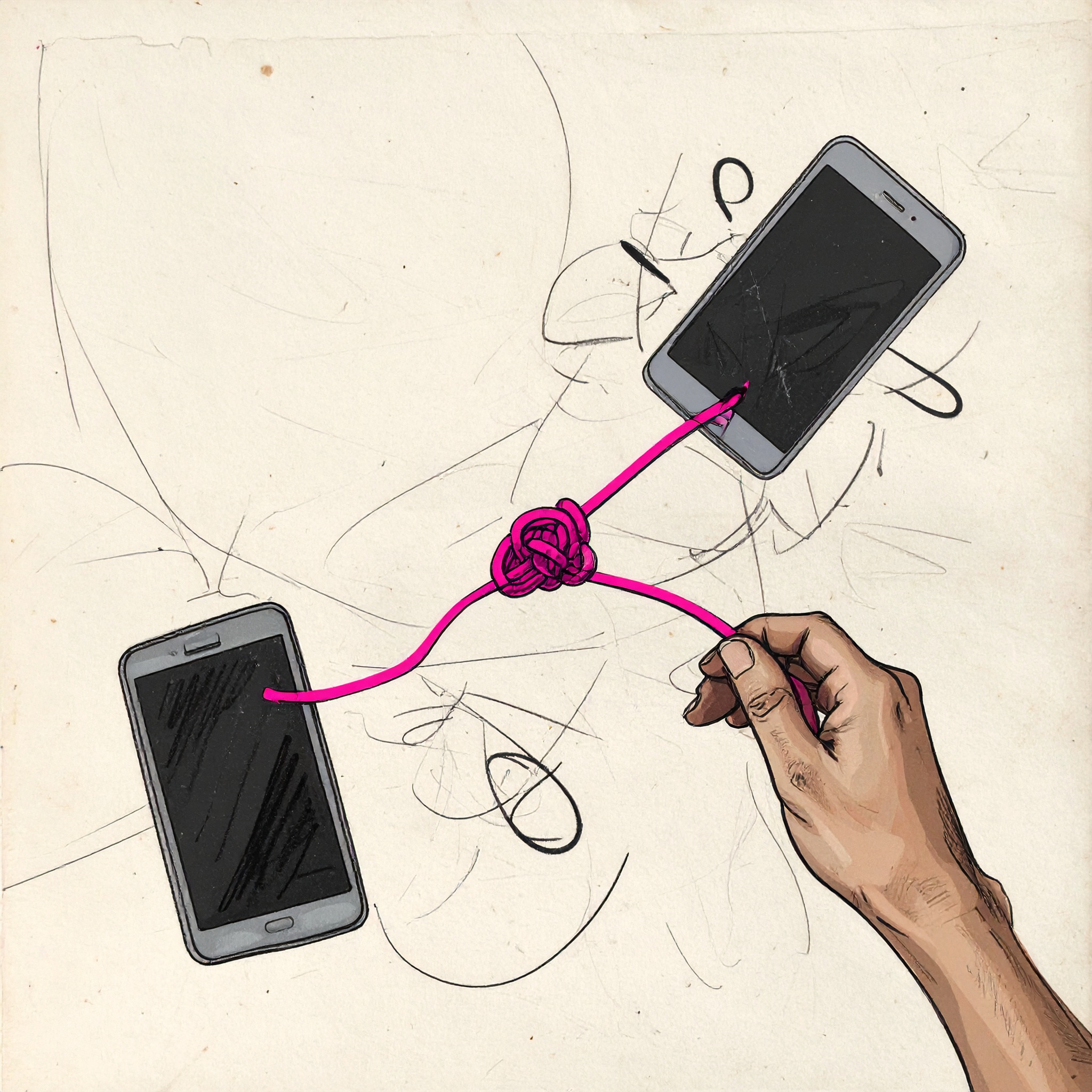
A friend let you down. Maybe they flaked when you needed them, or said something careless, or weren't there for the thing that mattered. Now you're sitting with it, and you can feel two bad options: say nothing and let it harden into a quiet resentment that slowly poisons the friendship, or say something and risk a blowup that might end it. So you say nothing, and tell yourself you're keeping the peace, while a little wall goes up that they can't even see.
There's a third option, and it's the one that protects the friendship. You tell them. Not to punish them, not to win, but because they matter enough to be worth an uncomfortable conversation. That reframe is the whole thing. A message that says "you hurt me" from a place of contempt is an attack. The same message from a place of "I care about us and this is in the way" is an act of repair, and friends can hear the second one.
The trap is going for the character verdict. When we're hurt we reach for the sweeping version: "you always do this," "you obviously don't care about me." It feels accurate in the moment and it's poison, because it tells your friend who they are instead of what happened, so now they're defending their whole self instead of hearing the one specific thing.
So name the specific thing, and how it felt, and stop there.
The version that starts a fight:
wow, so you just didn't show. you always do this. I clearly can't count on you for anything.
And the version that might fix something:
Hey, I want to be honest with you because I'd rather say it than let it sit. When you didn't show up on Saturday, it really hurt. I'd been looking forward to it and I felt kind of forgotten. I'm not trying to make you feel terrible, I just didn't want to pretend it was fine when it wasn't.
Notice it's vulnerable, not aggressive. It admits the hurt instead of weaponizing it, and it points at one event, not their character. It leaves room for them to respond and explain, rather than backing them into a corner where the only move is to fight back.
Then let them answer. The point of saying it isn't to deliver a verdict and slam the laptop. It's to put the real thing on the table so the two of you can deal with it, which is what people who want to stay friends do. Sometimes you'll learn there was a reason. Sometimes they'll just say sorry. Either way the wall comes down, which is more than silence was ever going to give you.
Saying it is the braver move, and the kinder one. Seething quietly feels safe, but it's just a slow goodbye.